The History of Mining in Avi Kwa Ame
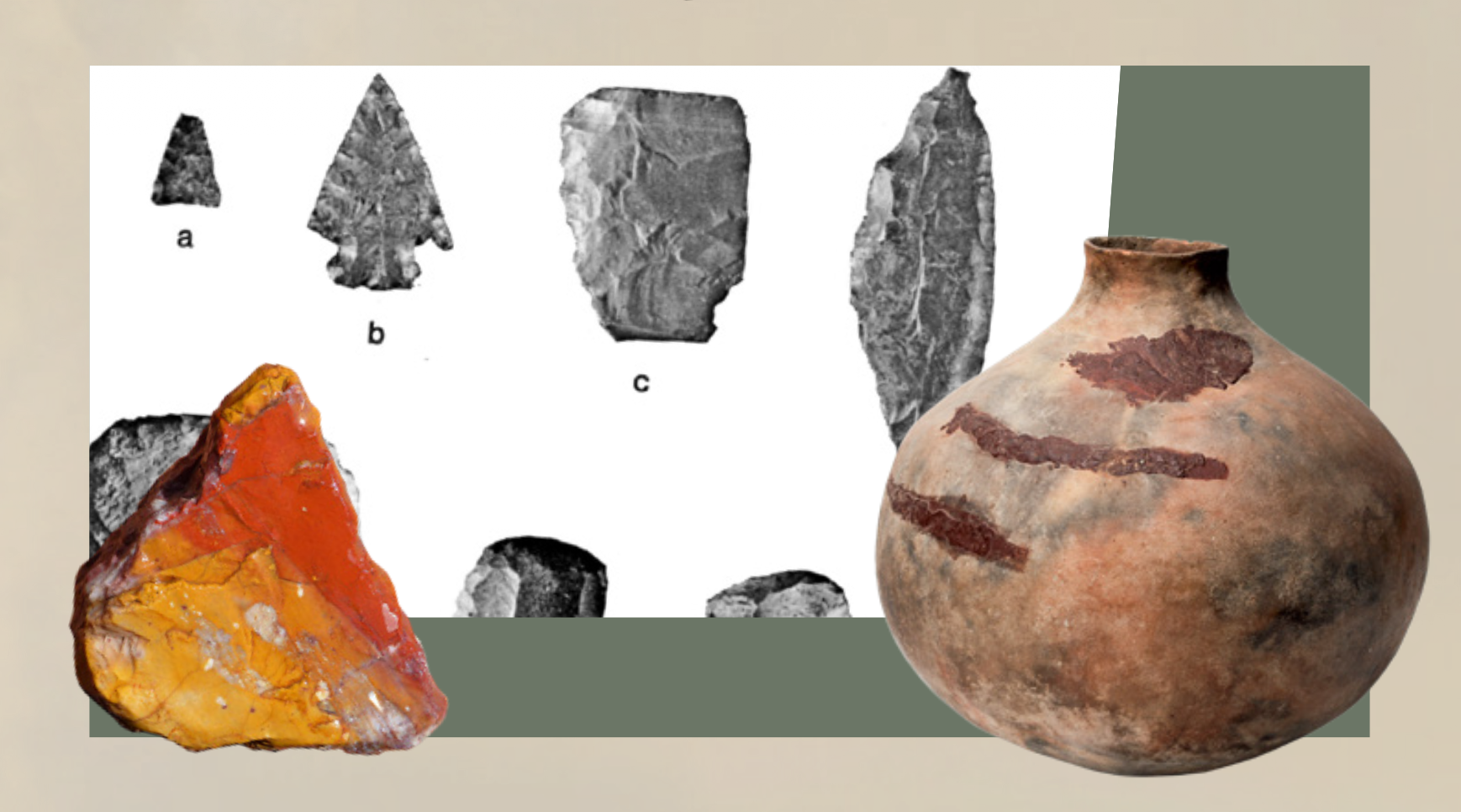
There has been mining in the El Dorado and Piute Valleys and along the Colorado River since time immemorial—ever since humans decided to carry things with them from place to place. Some of the first geological extractions in Southern Nevada were clay (used for pottery), salt (used for flavoring and a necessary nutrient), and fine-grain rock like chert, flint and jasper (used to make projectile points). These were essential items for hunting, storing, cooking and eating food, and were mined and traded extensively.
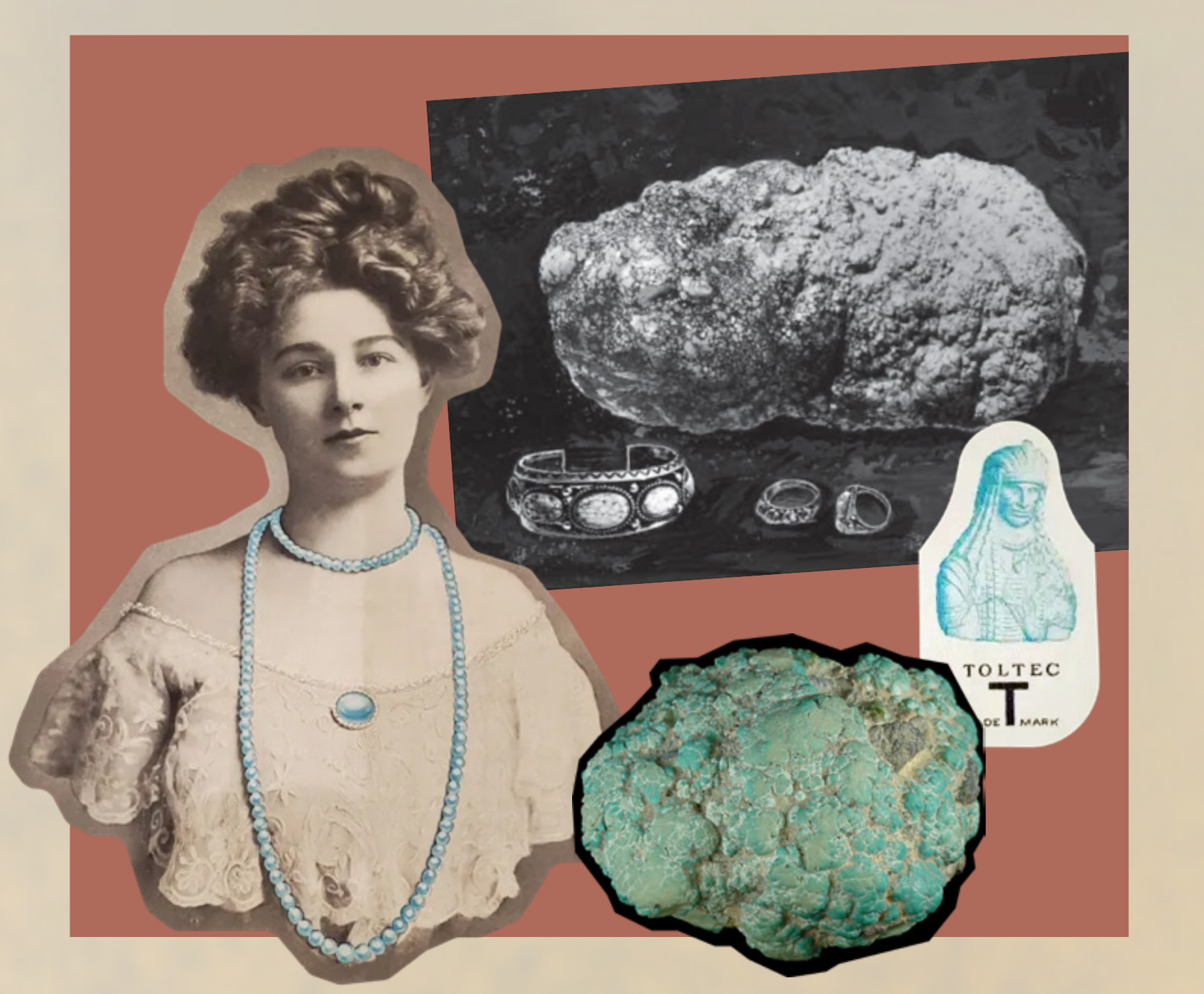
Around 1,700 years ago (300CE), the Ancestral Puebloan people of the Southwest began to inhabit sites like Pueblo Grande de Nevada, now under Lake Mead. This robust civilization had a trade network that spanned from its hub in New Mexico and Southern Colorado, down to northwest Mexico in the southern route, and west to Southern California. The ancestral Puebloans prized turquoise for adornment and ritual, and in Avi Kwa Ame’s Crescent Peak Area (near Nipton Pass), there is evidence of this culture’s turquoise mining that dates back at least a thousand years. These mines were rediscovered by George Simmons in 1890, and by a Native American man nicknamed “Prospector Johnny” in 1894, and from 1896 to the mid-1920s, the area was worked as the Toltec Mine, and supplied turquoise to gem dealers in New York, including Tiffany and Co. A 320-carat turquoise was found there in 1903.
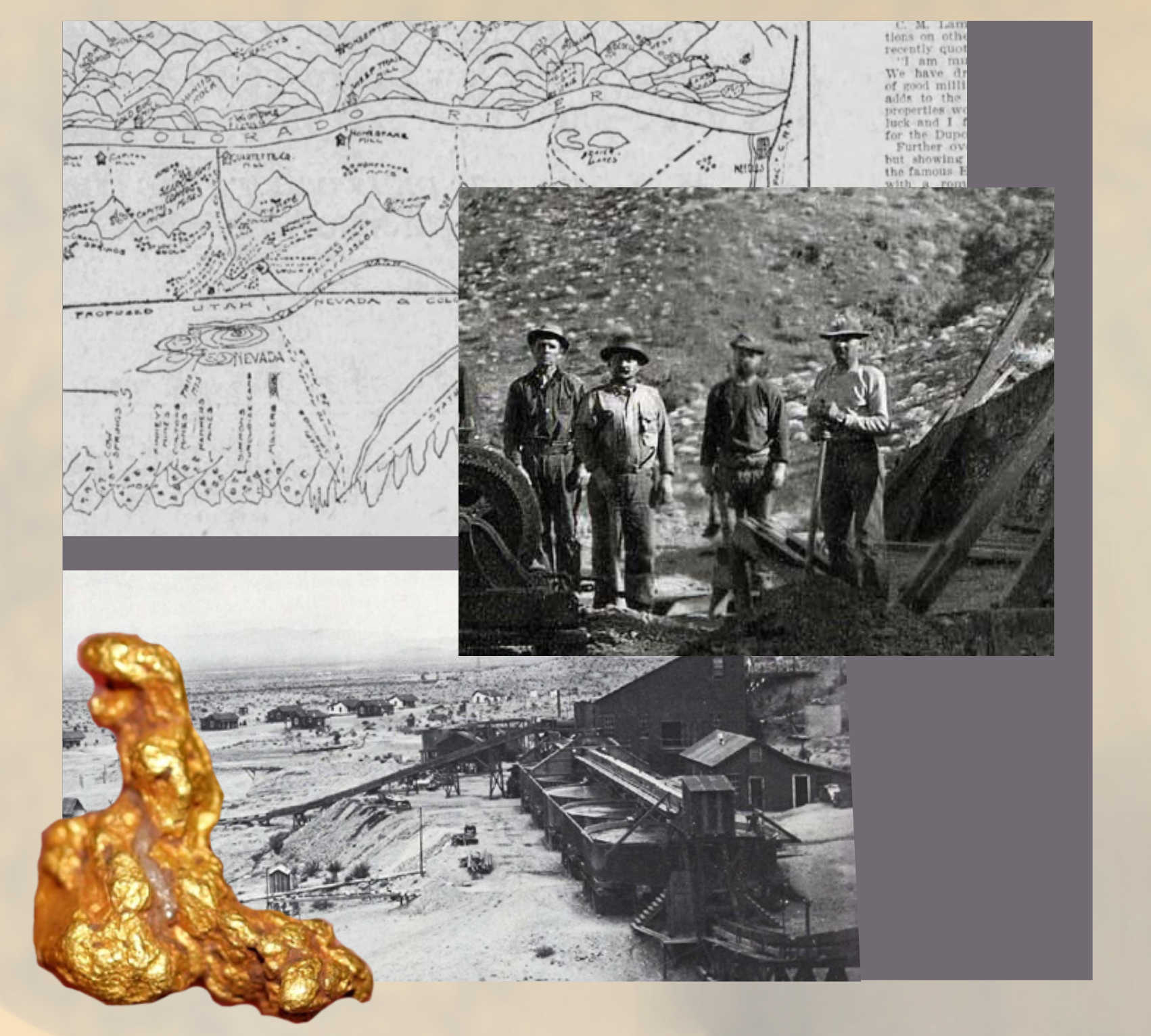
According to local legend, gold in the area was first discovered in the 1770s by Spanish explorers using Paiute guides, just outside of Avi Kwa Ame National Monument in Eldorado Canyon (Southern Nevada was claimed by Spain at that time), but the claims were not worked. Then in 1861, news of a discovery of gold by Johnny Moss brought a rush of prospectors, and Nevada’s oldest gold mine, the Techatticup, began production. Gold was discovered around Avi Kwa Ame’s Crescent Peak by Mexican miners in 1863, and worked until an altercation with Mormon settlers turned bloody in July 1878. Gold mining picked up again in the early 1900s. Meanwhile, George Frederick Colton filed his first gold claim in 1897 for the Duplex mine, leading to the Searchlight mining boom of 1900 to 1910. Mines in Searchlight, Crescent, and nearby areas are still worked today, and there are a number of patented mining claim inholdings within the monument.